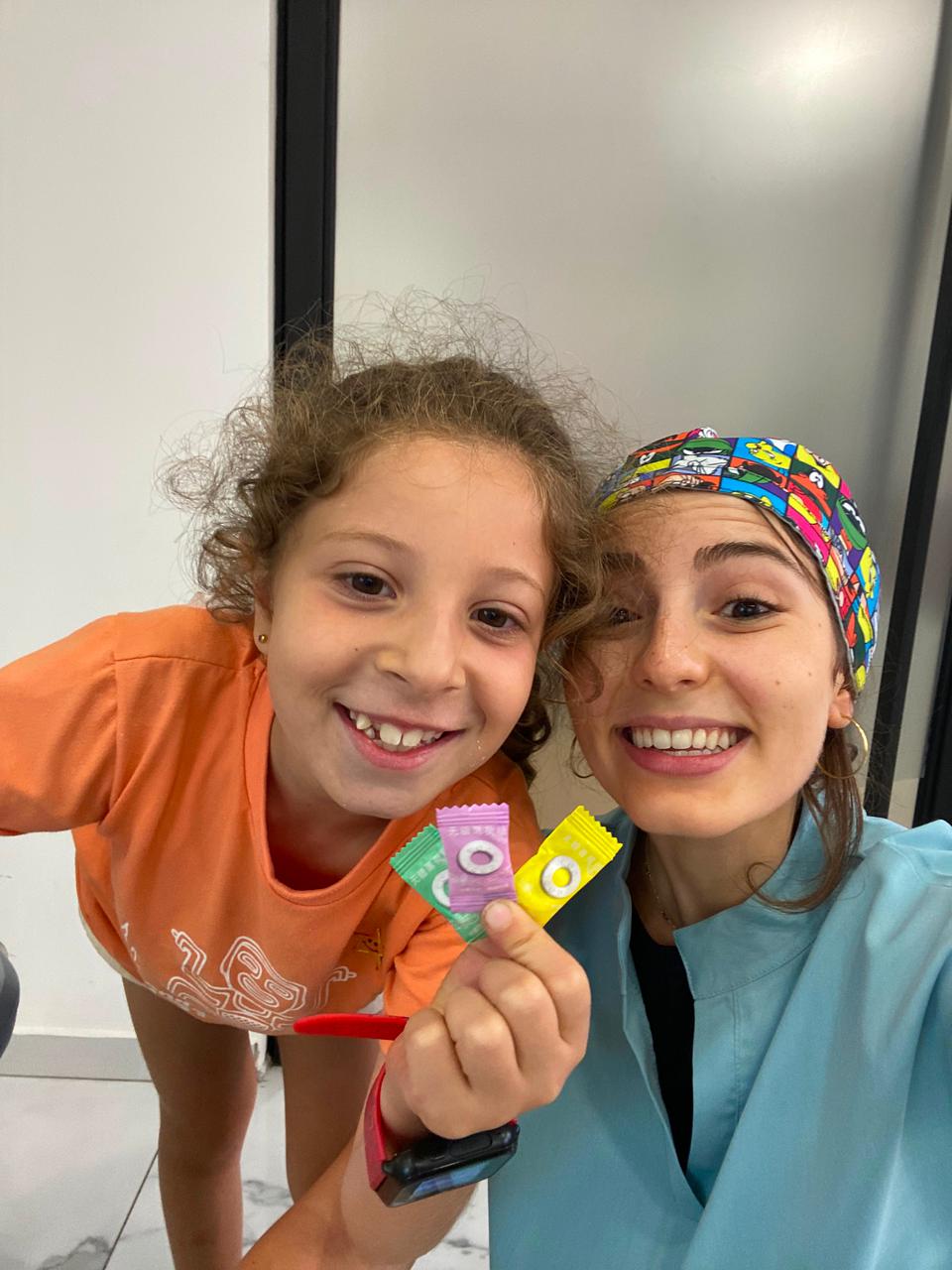
I’ve had parents cry in my clinic about toothbrushing. Not about cavities — about the fight. Two minutes, twice a day, and somehow it becomes the worst part of the day for everyone in the house.
So let’s separate two things: what actually has to happen, and how you get there. The first list is short and non-negotiable. The second is where all the flexibility lives.
The part that isn’t negotiable
- Twice a day, and one of those times is the last thing before bed — after the last food or drink of the day.
- Fluoride toothpaste, every time. A rice-grain smear under three, a pea from three to six, a full brush after six.
- Spit, don’t rinse. No water, no cup, no swishing. The thin film of toothpaste left behind is doing the work for the next half hour.
- An adult brushes, or finishes brushing, until about seven. Children don’t have the fine motor control before then, no matter how capable they look.
- Floss once a day from the moment two teeth touch — a brush physically cannot reach between them.
Everything below is about how to get those five things to happen without a nightly battle.
Why it’s a fight in the first place
It helps to know you’re not being defied. A toddler resisting the toothbrush is usually dealing with one of three things: autonomy (this is one of the few parts of their day they can control), sensory discomfort (the mouth is an intensely sensitive place and mint is genuinely unpleasant to many children), or timing (you are asking an exhausted person to hold still).
None of those respond well to more force. All of them respond to design.
Six things that work
1. Anchor it to the same two moments, every single day
Not “after dinner sometime” — immediately after pyjamas, before the story, every night. Children argue with decisions. They rarely argue with routines that have simply always existed.
2. Fix the position before you fix the attitude
Standing in front of a toddler and coming at their face is the hardest possible angle, for you and for them. Instead, stand or sit behind them and tilt their head back against your body — or, for little ones, lie them on your lap with their head towards you. You can see every surface, and your hand moves the way it does on your own teeth.
3. Let them go first, then check for sugar bugs
Give them the brush. Let them have their turn, badly, for as long as they want. Then: “my turn to check for sugar bugs at the back.” They get the autonomy; you get the actual cleaning. This single swap fixes more households than anything else I suggest.
4. Offer real choices — never the choice
Which toothbrush, which flavour, which song, bathroom or bedroom, standing or lying, you first or me first. What is never on the table is whether brushing happens at all. Choice defuses a power struggle; a question invites one.
5. Give two minutes a container
Two minutes is an eternity to a three-year-old with no way to measure it. A song they know, a sand timer, a brushing app, counting teeth out loud in fours — anything that turns an open-ended ordeal into a thing with a visible end.
6. Narrate everything, negotiate nothing
We use “tell, show, do” in the clinic and it works just as well at the bathroom sink. Say what’s about to happen, show it on a toy or on your own teeth, then do it — calmly, at the same speed, whether or not there’s complaining. Confidence is contagious. So is hesitation.
The amounts, precisely
- First tooth to 3 years: a smear the size of a grain of rice, fluoride 1000 ppm or more.
- 3 to 6 years: a pea-sized amount, 1000–1450 ppm.
- 6 years and up: a full brush head, 1450 ppm.
- Spit out. Don’t rinse. Supervise until around seven.
Three things that don’t
Bribing with something sweet
It teaches that brushing is a price you pay for sugar, and it usually adds one more sugar exposure right at the end of the day. Rewards work — stickers, a chart, an extra story, choosing tomorrow’s song. Sweets undo the thing you just did.
“If you don’t brush, the dentist will drill your teeth”
I understand why it’s tempting. But the child who arrives in my chair believing I am a punishment for bad behaviour is far harder to treat, and stays harder for years. Please don’t hand me to your child as a threat — I’d much rather be the person who counts their teeth and gives out stickers.
Skipping the night brush “just this once”
Saliva flow drops during sleep, so whatever is left on the teeth at bedtime sits there for eight or nine hours with nothing to wash it away. The night brush is the one that matters most, and “just this once” has an unfortunate habit of becoming three nights a week.
A boring ninety seconds every single night beats a brilliant three minutes on Sundays.
If your child is autistic, or sensitive to touch, taste or sound
Standard advice often doesn’t transfer, and that isn’t a failure. Things that help: an unflavoured or very mild toothpaste, a visual schedule with photos of each step, the same order of teeth every time so nothing is a surprise, letting your child hold the brush handle with you, brushing somewhere other than the bathroom, choosing a calmer time of day than bedtime, and trying a vibrating brush — or firmly avoiding one, because for some children the buzz is the problem.
Tell us before the appointment and we’ll book a longer, quieter slot, keep the lights down, and go entirely at your child’s pace.
When to call instead of trying harder
- Gums that still bleed after two weeks of genuinely good brushing.
- Any white, chalky or brown patch — especially along the gumline.
- A child who suddenly refuses after months of cooperating; that’s often pain, not attitude.
- Bad breath that doesn’t clear with brushing.
Des parents ont pleuré dans mon cabinet à cause du brossage. Pas à cause des caries — à cause de la bagarre. Deux minutes, deux fois par jour, et cela devient le pire moment de la journée pour toute la maison.
Séparons donc deux choses : ce qui doit absolument arriver, et comment on y arrive. La première liste est courte et non négociable. La seconde, c’est là qu’est toute la souplesse.
Ce qui n’est pas négociable
- Deux fois par jour, dont une juste avant le coucher — après le dernier aliment ou la dernière boisson.
- Un dentifrice fluoré, à chaque fois. Un grain de riz avant trois ans, un petit pois de trois à six ans, une brosse pleine après six ans.
- On crache, on ne rince pas. Pas d’eau, pas de gobelet. La fine pellicule de dentifrice qui reste travaille encore pendant la demi-heure suivante.
- Un adulte brosse, ou termine le brossage, jusqu’à environ sept ans. La motricité fine n’est pas là avant, même quand l’enfant a l’air très habile.
- Un fil dentaire par jour dès que deux dents se touchent — la brosse ne peut physiquement pas passer entre elles.
Tout le reste de cet article explique comment obtenir ces cinq points sans bataille quotidienne.
Pourquoi c’est une bagarre
Il aide de savoir qu’on ne vous défie pas. Un tout-petit qui résiste gère en général l’une de trois choses : l’autonomie (c’est l’un des rares moments de sa journée qu’il peut contrôler), l’inconfort sensoriel (la bouche est extrêmement sensible et la menthe est franchement désagréable pour beaucoup d’enfants), ou le moment (vous demandez à quelqu’un d’épuisé de rester immobile).
Aucun de ces trois ne répond à la force. Tous répondent à l’organisation.
Six choses qui marchent
1. Ancrez le brossage aux deux mêmes moments, tous les jours
Pas « après le dîner, à un moment » — immédiatement après le pyjama, avant l’histoire, chaque soir. Les enfants discutent les décisions. Ils discutent rarement les routines qui ont toujours existé.
2. Corrigez la position avant de corriger l’attitude
Se planter devant un tout-petit et arriver sur son visage est le pire angle possible. Placez-vous plutôt derrière lui et basculez sa tête contre vous — ou, pour les plus petits, allongez-le sur vos genoux, tête vers vous. Vous voyez toutes les faces, et votre main bouge comme sur vos propres dents.
3. Laissez-le commencer, puis « chassez les bêtes à sucre »
Donnez-lui la brosse. Laissez-le faire son tour, mal, aussi longtemps qu’il veut. Puis : « à mon tour de vérifier les bêtes à sucre au fond ». Il obtient l’autonomie ; vous obtenez le vrai nettoyage. Cet échange règle plus de situations que tout le reste.
4. Proposez de vrais choix — jamais le choix
Quelle brosse, quel goût, quelle chanson, salle de bain ou chambre, debout ou allongé, toi d’abord ou moi d’abord. Ce qui n’est jamais sur la table, c’est de savoir si on se brosse les dents. Le choix désamorce un bras de fer ; une question l’invite.
5. Donnez un contenant aux deux minutes
Deux minutes sont une éternité pour un enfant de trois ans qui n’a aucun moyen de les mesurer. Une chanson qu’il connaît, un sablier, une application, compter les dents à voix haute par quatre — n’importe quoi qui transforme une épreuve sans fin en quelque chose qui a une fin visible.
6. Racontez tout, ne négociez rien
Nous utilisons « dire, montrer, faire » au cabinet, et cela marche aussi bien devant le lavabo. Dites ce qui va se passer, montrez-le sur une peluche ou sur vos propres dents, puis faites-le — calmement, à la même vitesse, qu’il y ait des protestations ou non. L’assurance est contagieuse. L’hésitation aussi.
Les quantités, précisément
- De la première dent à 3 ans : un grain de riz, fluor à 1000 ppm ou plus.
- De 3 à 6 ans : un petit pois, 1000 à 1450 ppm.
- À partir de 6 ans : une brosse pleine, 1450 ppm.
- On crache. On ne rince pas. On supervise jusqu’à environ sept ans.
Trois choses qui ne marchent pas
Récompenser avec du sucré
Cela apprend que le brossage est le prix à payer pour du sucre, et cela ajoute une exposition au sucre juste à la fin de la journée. Les récompenses fonctionnent — autocollants, tableau, une histoire en plus, choisir la chanson de demain. Les bonbons défont ce que vous venez de faire.
« Si tu ne brosses pas, la dentiste va te percer les dents »
Je comprends la tentation. Mais l’enfant qui arrive dans mon fauteuil convaincu que je suis une punition est bien plus difficile à soigner, et le reste pendant des années. Ne me présentez pas comme une menace — je préfère de loin être celle qui compte les dents et distribue les autocollants.
Sauter le brossage du soir « juste une fois »
Le flux de salive baisse pendant le sommeil : ce qui reste sur les dents au coucher y demeure huit ou neuf heures sans rien pour l’évacuer. Le brossage du soir est le plus important, et « juste une fois » a la fâcheuse habitude de devenir trois soirs par semaine.
Quatre-vingt-dix secondes ennuyeuses tous les soirs valent mieux que trois minutes parfaites le dimanche.
Si votre enfant est autiste, ou sensible au toucher, au goût ou au bruit
Les conseils standards ne se transposent pas toujours, et ce n’est pas un échec. Ce qui aide : un dentifrice sans goût ou très doux, un planning visuel avec une photo par étape, le même ordre de dents à chaque fois, tenir le manche de la brosse à deux, se brosser ailleurs que dans la salle de bain, choisir un moment plus calme que le coucher, et essayer une brosse électrique — ou l’éviter fermement, car pour certains enfants la vibration est justement le problème.
Dites-le-nous avant le rendez-vous : nous réservons un créneau plus long et plus calme, nous baissons la lumière, et nous allons entièrement au rythme de votre enfant.
Quand appeler plutôt que d’insister
- Des gencives qui saignent encore après deux semaines de brossage vraiment correct.
- Toute tache blanche crayeuse ou brune, surtout au bord de la gencive.
- Un enfant qui refuse soudain après des mois de coopération : c’est souvent une douleur, pas un caprice.
- Une mauvaise haleine qui ne passe pas avec le brossage.
بكى أهل في عيادتي بسبب تنظيف الأسنان. ليس بسبب التسوّس — بل بسبب المعركة. دقيقتان مرّتين في اليوم، وتتحوّل إلى أسوأ لحظة في يوم كل من في البيت.
لنفصل إذاً بين أمرين: ما يجب أن يحدث فعلاً، وكيف نصل إليه. القائمة الأولى قصيرة وغير قابلة للتفاوض. أما الثانية، فهناك كل المرونة.
الجزء غير القابل للتفاوض
- مرّتان يومياً، إحداهما آخر شيء قبل النوم — بعد آخر طعام أو شراب.
- معجون بالفلورايد في كل مرة. حبة أرز قبل الثالثة، حبة بازلاء من الثالثة إلى السادسة، وفرشاة كاملة بعد السادسة.
- نبصق ولا نشطف. بلا ماء وبلا كوب. الطبقة الرقيقة المتبقّية من المعجون تعمل طوال النصف ساعة التالية.
- يقوم شخص بالغ بالتنظيف، أو بإنهائه، حتى عمر سبع سنوات تقريباً. المهارة الحركية الدقيقة لا تكتمل قبل ذلك مهما بدا الطفل بارعاً.
- خيط الأسنان مرة يومياً منذ أن تتلامس سنّان — الفرشاة لا تستطيع الوصول بينهما فيزيائياً.
كل ما يلي يشرح كيف تتحقّق هذه النقاط الخمس بلا معركة يومية.
لماذا هي معركة أصلاً
يفيد أن تعرف أن الطفل لا يتحدّاك. الصغير الذي يقاوم الفرشاة يتعامل عادةً مع واحد من ثلاثة: الاستقلالية (هذه من اللحظات القليلة التي يستطيع التحكّم بها في يومه)، أو انزعاج حسّي (الفم منطقة شديدة الحساسية، والنعناع مزعج فعلاً لكثير من الأطفال)، أو التوقيت (أنت تطلب من شخص مُنهَك أن يبقى ساكناً).
لا يستجيب أيّ من هذه للقوّة. وكلها تستجيب لحسن الترتيب.
ستّة أمور تنجح
١. اربط التنظيف باللحظتين نفسيهما كل يوم
ليس «بعد العشاء في وقت ما» — بل فوراً بعد البيجاما وقبل القصة، كل ليلة. الأطفال يجادلون في القرارات، ونادراً ما يجادلون في روتين كان موجوداً دائماً.
٢. صحّح الوضعية قبل أن تصحّح الموقف
الوقوف أمام الطفل والاتّجاه نحو وجهه هو أصعب زاوية ممكنة. قف أو اجلس خلفه وأمِل رأسه إلى الخلف نحوك — أو، للصغار جداً، مدّده على ركبتيك ورأسه باتجاهك. عندها ترى كل السطوح، وتتحرّك يدك كما تتحرّك على أسنانك أنت.
٣. دعه يبدأ، ثم «فتّش عن حشرات السكّر»
أعطِه الفرشاة. دعه يأخذ دوره، ولو بشكل سيّئ، ما شاء. ثم قل: «دوري لأفتّش عن حشرات السكّر في الخلف». هو ينال الاستقلالية، وأنت تنال التنظيف الحقيقي. هذا التبديل وحده يحلّ المشكلة في بيوت كثيرة.
٤. اعرض خيارات حقيقية — لا الخيار نفسه
أيّ فرشاة، أيّ نكهة، أيّ أغنية، في الحمّام أم في الغرفة، واقفاً أم مستلقياً، أنت أولاً أم أنا. أما ما لا يُطرح أبداً فهو ما إذا كنا سننظّف الأسنان. الخيار ينزع فتيل الصراع، والسؤال يشعله.
٥. أعطِ الدقيقتين إطاراً
الدقيقتان دهر بالنسبة لطفل في الثالثة لا يملك وسيلة لقياسهما. أغنية يعرفها، ساعة رملية، تطبيق، أو عدّ الأسنان بصوت عالٍ أربعاً أربعاً — أي شيء يحوّل تجربة بلا نهاية إلى شيء له نهاية مرئية.
٦. اشرح كل شيء، ولا تساوم على شيء
نستخدم في العيادة قاعدة «قُل، أرِ، افعل»، وهي تنجح أمام مغسلة الحمّام بالقدر نفسه. قل ما سيحدث، أرِه إياه على دمية أو على أسنانك، ثم افعله — بهدوء وبالسرعة نفسها، سواء كان هناك اعتراض أم لا. الثقة مُعدية، والتردّد كذلك.
الكميات بدقّة
- من أول سنّ حتى ٣ سنوات: بحجم حبة أرز، وفلورايد ١٠٠٠ جزء بالمليون أو أكثر.
- من ٣ إلى ٦ سنوات: بحجم حبة بازلاء، ١٠٠٠ إلى ١٤٥٠ جزءاً بالمليون.
- من ٦ سنوات فأكثر: فرشاة كاملة، ١٤٥٠ جزءاً بالمليون.
- نبصق. لا نشطف. ونشرف على الطفل حتى نحو السابعة.
ثلاثة أمور لا تنجح
المكافأة بالحلوى
تعلّم الطفل أن التنظيف ثمنٌ يُدفَع مقابل السكّر، وتضيف عادةً تعرّضاً إضافياً للسكّر في آخر النهار. المكافآت مفيدة — ملصقات، جدول، قصة إضافية، اختيار أغنية الغد. أما الحلوى فتنقض ما فعلته للتوّ.
«إذا لم تنظّف أسنانك ستحفرها الطبيبة»
أفهم الإغراء. لكن الطفل الذي يصل إلى كرسيّي مقتنعاً بأنني عقاب على سوء سلوكه يكون علاجه أصعب بكثير، ويبقى كذلك لسنوات. أرجوك لا تقدّمني لطفلك كتهديد — أفضّل كثيراً أن أكون من تعدّ أسنانه وتوزّع الملصقات.
تخطّي تنظيف الليل «هذه المرّة فقط»
يقلّ إفراز اللعاب أثناء النوم، فيبقى ما على الأسنان وقت النوم ثماني أو تسع ساعات بلا شيء يزيله. تنظيف الليل هو الأهم، و«هذه المرّة فقط» تتحوّل عادةً إلى ثلاث ليالٍ في الأسبوع.
تسعون ثانية مملّة كل ليلة أفضل من ثلاث دقائق ممتازة يوم الأحد.
إذا كان طفلك من طيف التوحّد، أو حسّاساً للمس أو الطعم أو الصوت
النصائح المعتادة لا تنتقل دائماً، وهذا ليس فشلاً. ممّا يساعد: معجون بلا نكهة أو بنكهة خفيفة جداً، جدول بصري بصورة لكل خطوة، الترتيب نفسه للأسنان في كل مرة حتى لا تكون هناك مفاجآت، أن يمسك طفلك يد الفرشاة معك، التنظيف في مكان غير الحمّام، اختيار وقت أهدأ من موعد النوم، وتجربة فرشاة كهربائية — أو تجنّبها تماماً، لأن الاهتزاز نفسه قد يكون هو المشكلة عند بعض الأطفال.
أخبرونا قبل الموعد، فنحجز وقتاً أطول وأهدأ، ونخفّف الإضاءة، ونسير تماماً على إيقاع طفلكم.
متى تتّصل بدل أن تحاول أكثر
- لثة ما زالت تنزف بعد أسبوعين من تنظيف جيّد فعلاً.
- أي بقعة بيضاء طبشورية أو بنّية، خصوصاً عند حدّ اللثة.
- طفل يرفض فجأة بعد شهور من التعاون؛ غالباً ما يكون السبب ألماً لا عناداً.
- رائحة فم لا تزول مع التنظيف.
This article is general information for parents, not a diagnosis. Every child is different — if something about your child’s teeth worries you, message the clinic and we’ll take a look.