Tiny teeth,
big smiles.
A gentle, unhurried dental experience for children — from the first tooth, all the way through their teenage years.
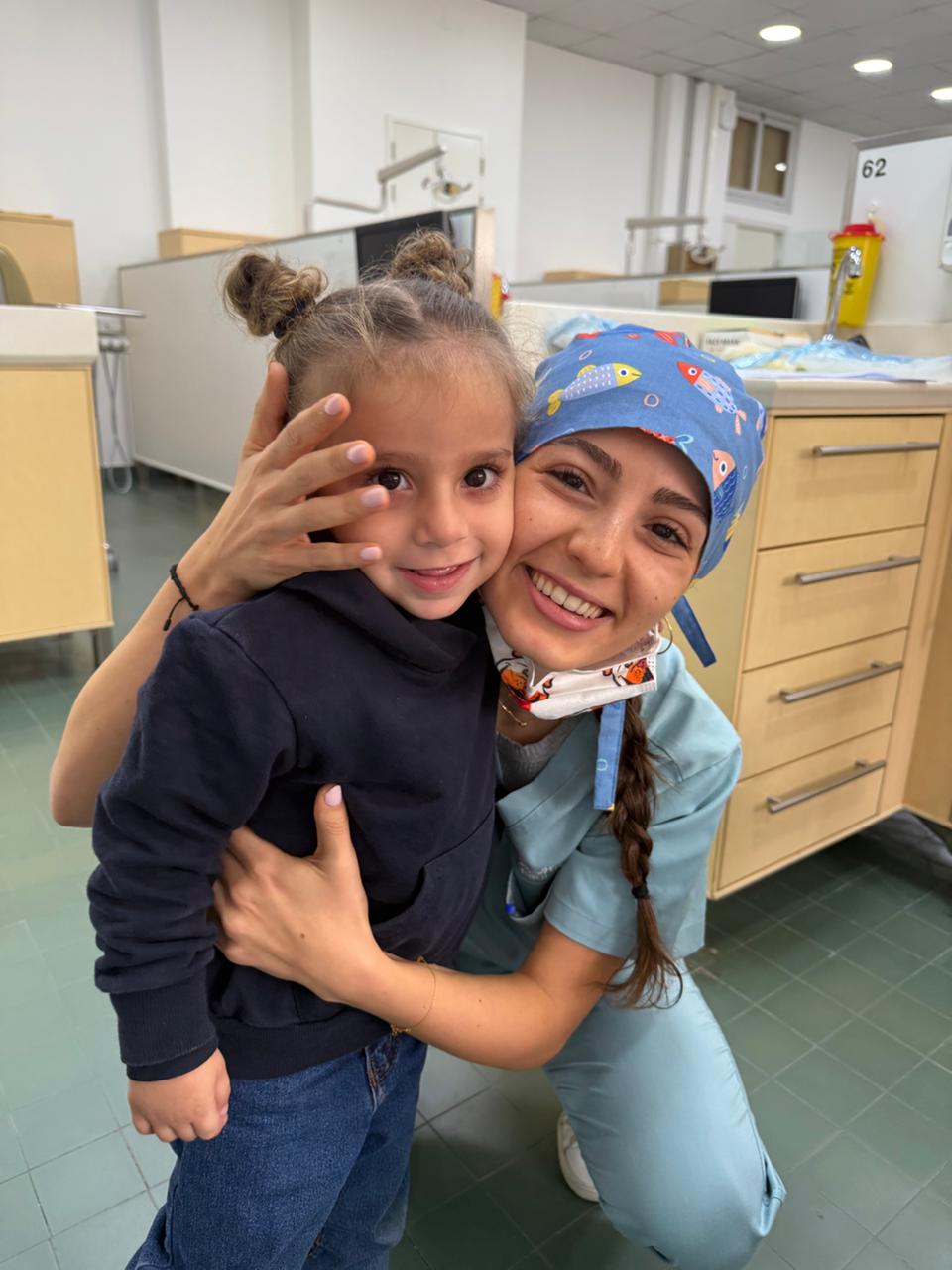
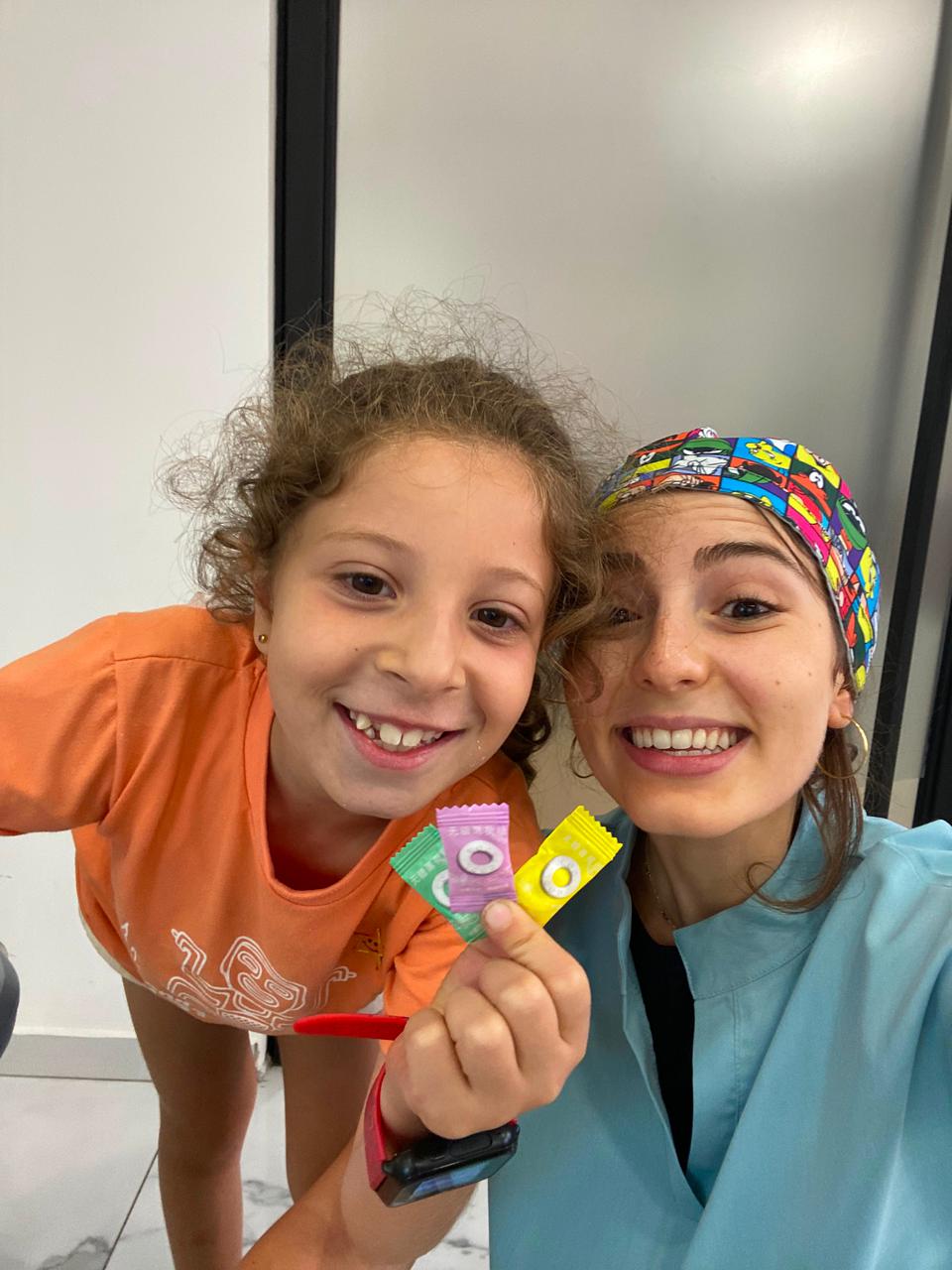 Hi, I’m Dr. Marilyn.
I’ll take good care of them.
Hi, I’m Dr. Marilyn.
I’ll take good care of them.
Specialist dental care, designed around how children experience it.
I built this practice in Achrafieh around a simple idea: children do best when care is unhurried, explained, and adapted to them. My approach is gentle, evidence-based, and always at a child’s pace — and I’m currently completing my specialisation in pediatric dentistry.
- DDSDoctor of Dental Surgery, with honors — Saint Joseph University of Beirut
- Res.Pediatric Dentistry Residency — Saint Joseph University of Beirut
- MemberLebanese Dental Association
- MemberLebanese Society of Pediatric Dentistry
- ClinicMario Nohra Dental Clinic — Achrafieh Syoufi, Beirut
Four promises, every visit.
Gentle care
The gentlest techniques possible, and all the time your child needs — no rushing, ever.
Prevention first
We’d rather prevent a cavity than fill one. Education is part of every appointment.
A personalized pace
Every child is unique — we adapt to temperament, age, and needs, including special healthcare needs.
Parents as partners
You stay in the room, in the loop, and in charge. Questions are always welcome.
Everything your child’s smile needs, under one calm roof.
From the very first tooth to a teenager’s first whitening question — covered, gently, with patience and play.
First dental visit
A no-pressure, get-to-know-you appointment around your baby’s first birthday.
Cleanings & exams
Six-monthly visits with fluoride and a thorough check of every little tooth.
Sealants
A protective coating on chewing surfaces of permanent molars to prevent cavities.
Tooth-coloured fillings
BPA-free, mercury-free, virtually invisible. Done with patience and play.
Pulp treatments
Saving baby teeth with deep cavities, using child-safe techniques.
Habit counselling
Thumb-sucking, pacifier weaning, mouth-breathing — we coach gently.
Stainless-steel crowns
Strong, long-lasting protection for badly decayed primary teeth.
Orthodontic screening
Early evaluation from age 7 — referral to a trusted orthodontist when needed.
White-spot treatment
Minimally invasive icon® infiltration for early enamel demineralisation.
Digital X-rays
Low-radiation digital imaging to catch what exams can’t see and monitor growth.
Space maintainers
When a baby tooth is lost early, a small appliance keeps the space open for the permanent one.
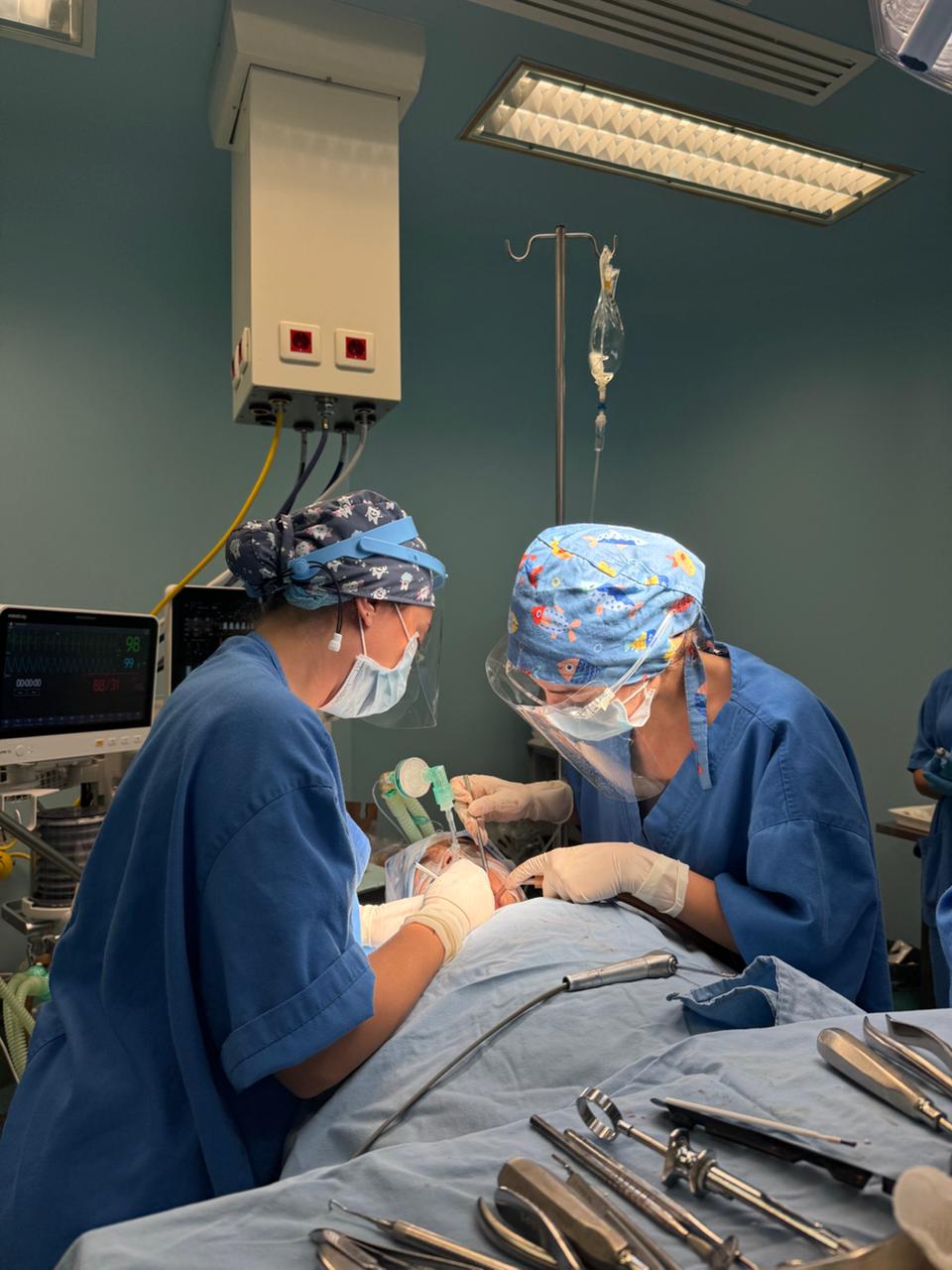
Sedation & hospital dentistry
Nitrous oxide, oral conscious sedation, or general anesthesia for complex cases.
Every child deserves a dental home. Every child.
We have extensive experience with children with autism spectrum disorders, sensory processing differences, developmental delays, and medical conditions — and with kids who are simply scared.
Individualized appointments
Extended time slots, quieter rooms, dimmed lights, and rehearsal visits — built around your child.
Nitrous oxide (laughing gas)
A mild, safe sedative that wears off in minutes and keeps your child awake and responsive.
Oral conscious sedation
For moderate anxiety or longer treatments — calm and comfortable, but still conscious and closely monitored.
Hospital dentistry
For extensive treatment under general anesthesia, we treat in a Beirut hospital setting.
What to expect, step by step.
A first visit is mostly about trust. We take it slow, narrate everything, and let your child set the pace.
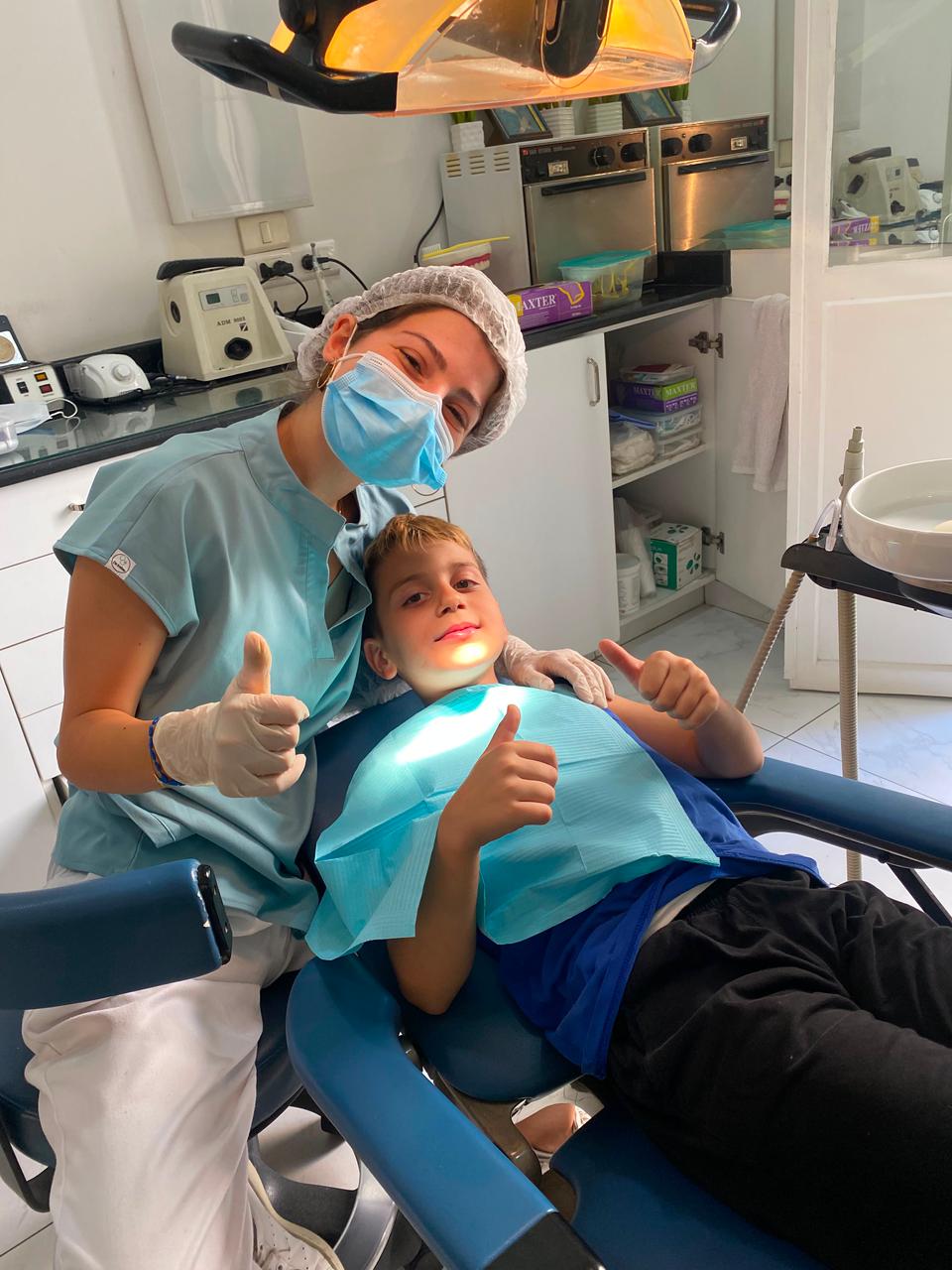
-
01
Hello & high-fives
A short tour of the clinic, meeting the team, and choosing the first sticker.
-
02
Tell, show, do
We name every tool in kid-words — the “tooth counter,” the “tickle brush” — and let your child touch them.
-
03
A gentle look
A quick, painless check while your child sits on your lap or in our chair.
-
04
Big-kid wins
A high-five, a treasure from the prize box, and a plan for next time.
Talk about the dentist like it’s any other errand — not a reward, not a threat, not a big deal. The calmer the build-up, the calmer the visit.
When does each tooth show up?
A quick reference for the order of eruption — and roughly when each baby tooth makes way for the permanent one. Every child is on their own clock; these are averages, not deadlines.
Source: American Academy of Pediatric Dentistry. If your child’s timing seems off, we’re happy to take a look.
Hi, I’m Coco!
I’m a tiny tooth on a big mission to help every kid have a happy mouth.
Hey there, brave one.
This is your zone. Brushing tricks, the Smile Squad sticker board, and your very own tooth tracker.
From the journal.
Short, science-backed answers to the questions parents actually ask.
When should baby see the dentist for the first time?
The short answer: by age one, or six months after the first tooth comes in.
Read article
How to get a toddler to actually brush.
Six things that work, and three that don’t (we tried).
Read article
The truth about juice, gummies, and “sugar-free” snacks.
A pediatric dentist’s honest take on snack-time.
Read article
Thumb-sucking & pacifiers — when to gently step in.
The age it stops being cute, and the kindest way to stop.
Read article
A tooth got knocked out. What now?
A 60-second guide, plus the WhatsApp number to text us.
Read article
Fluoride: how much, and why it matters.
An evidence-based answer to the question every parent eventually asks.
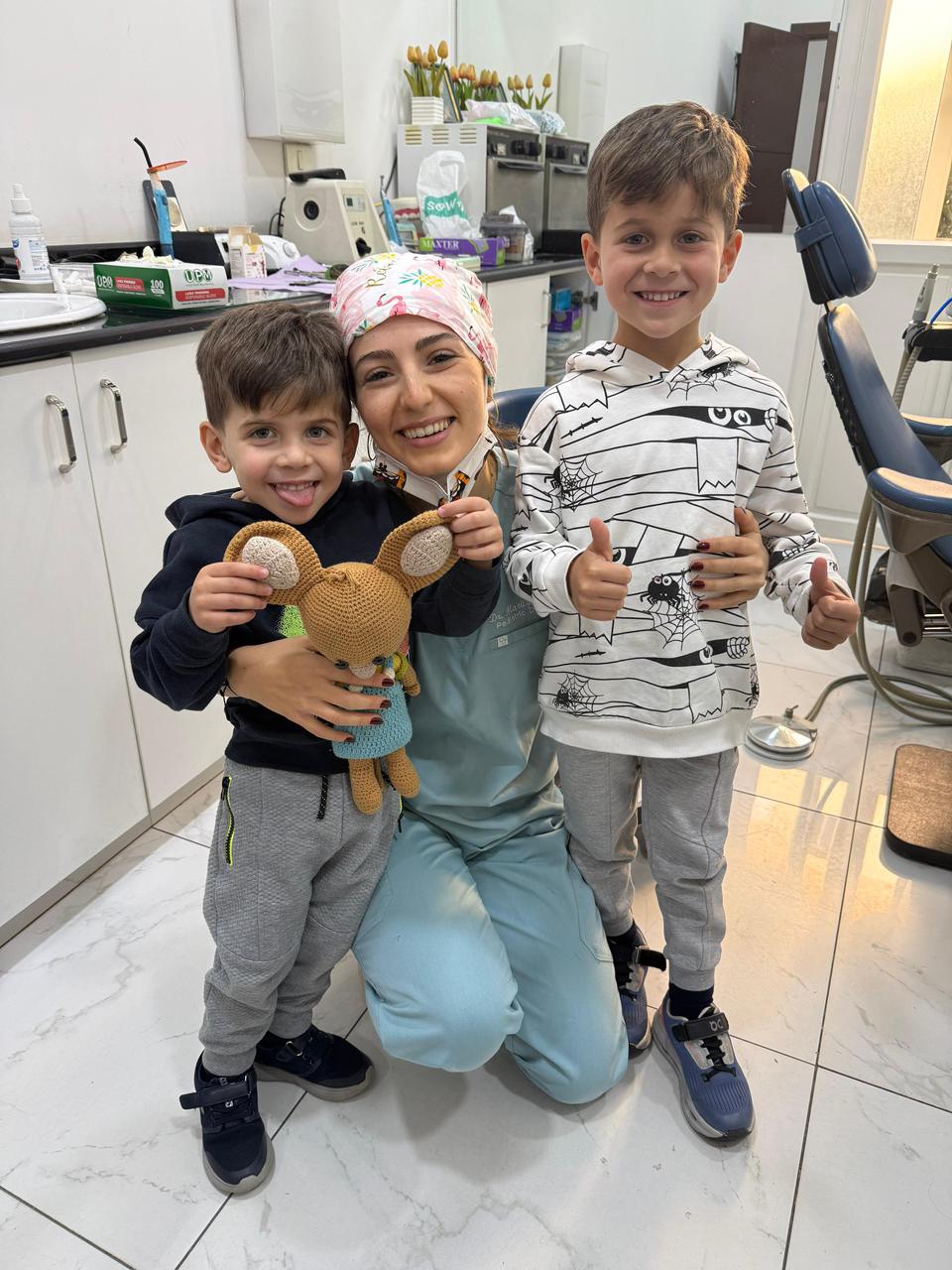
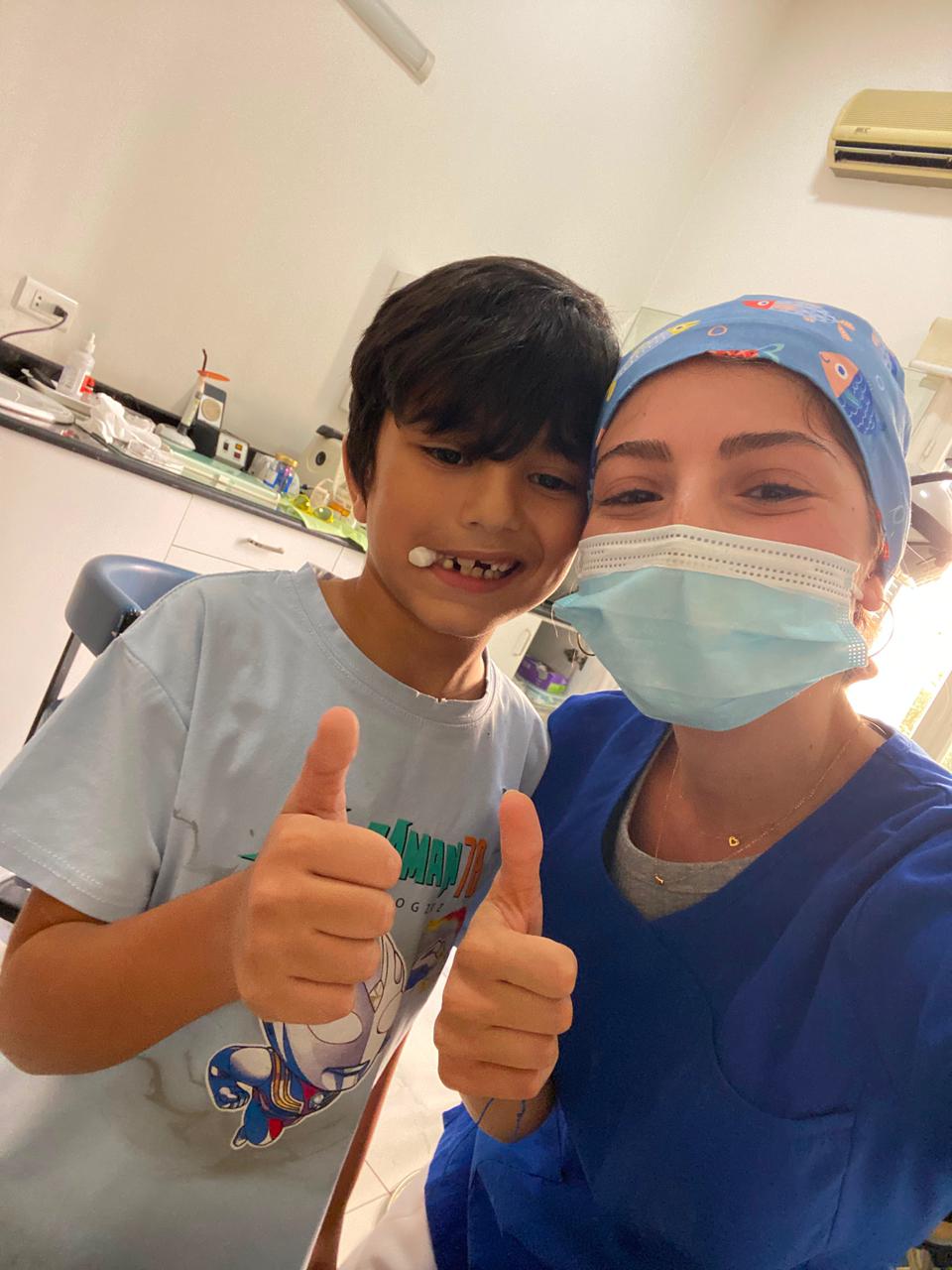
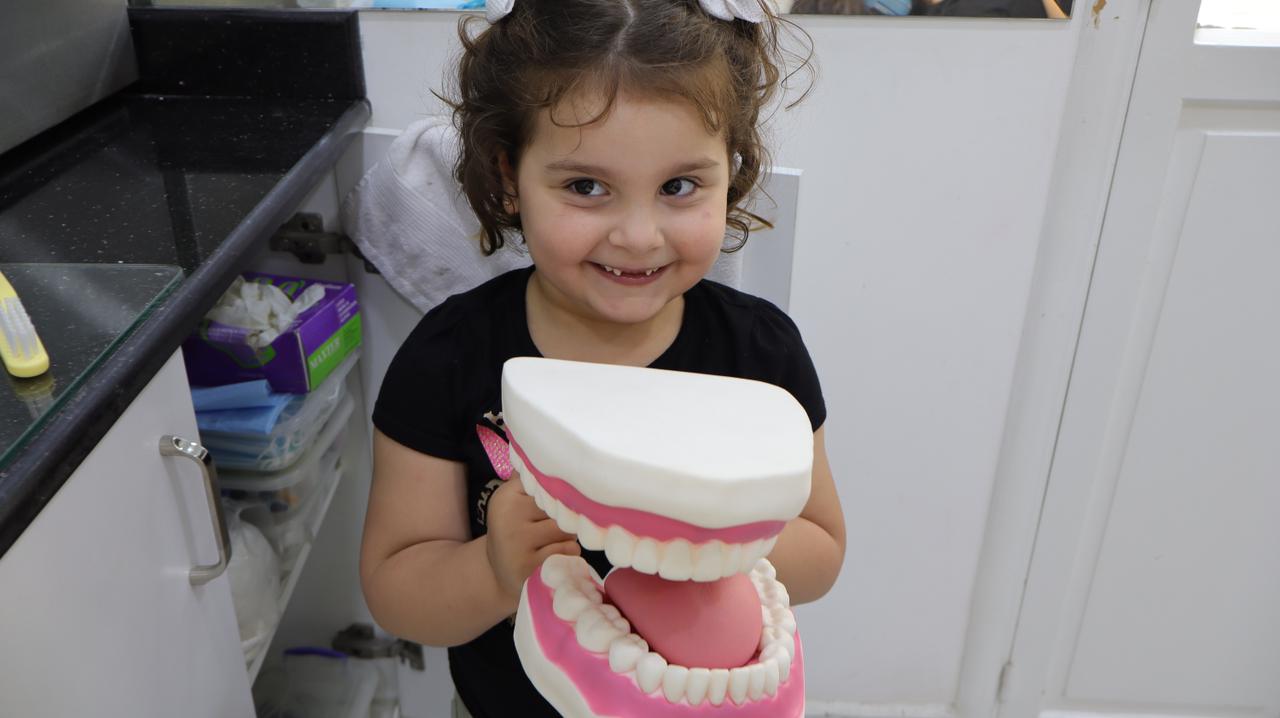
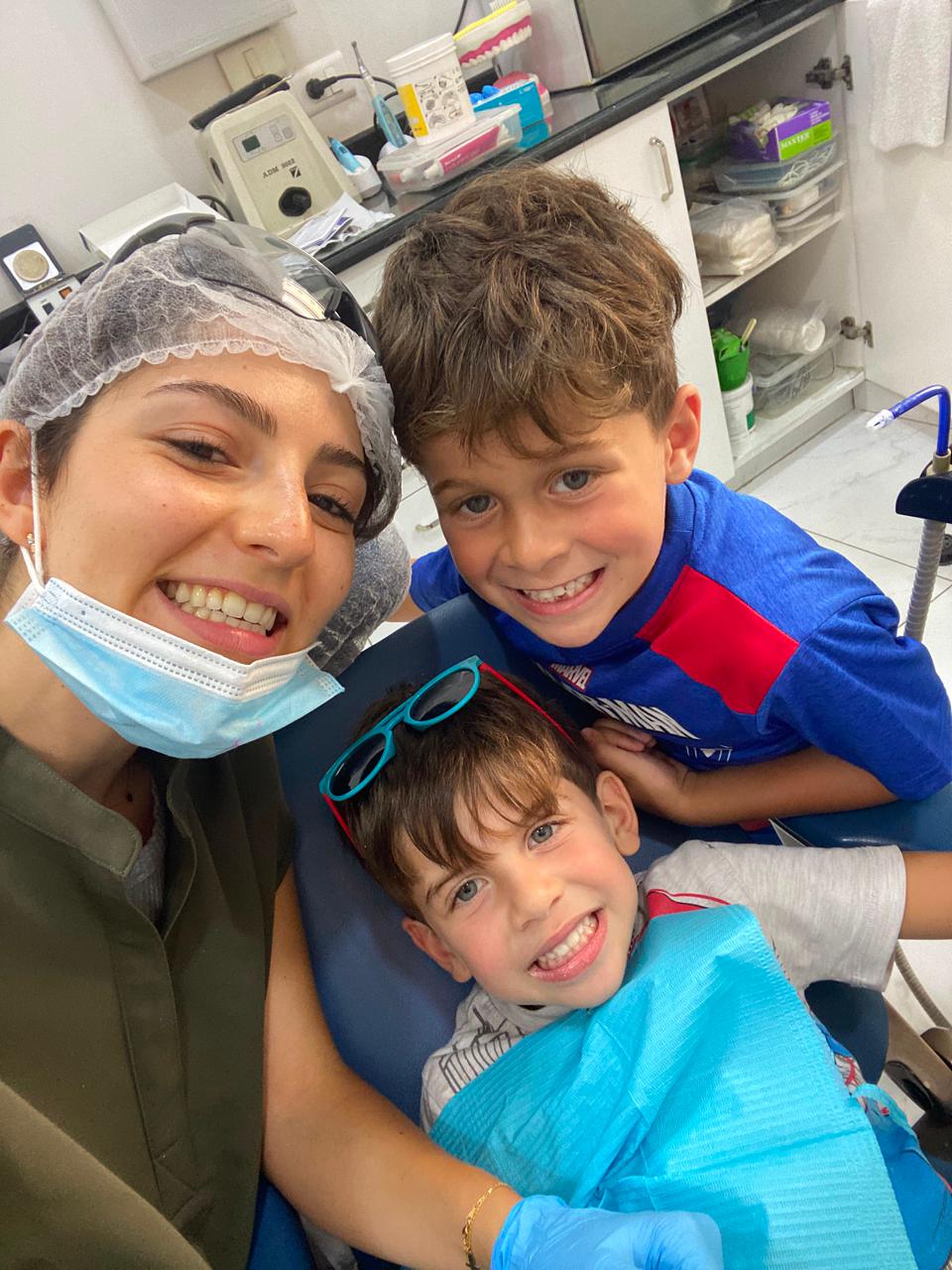
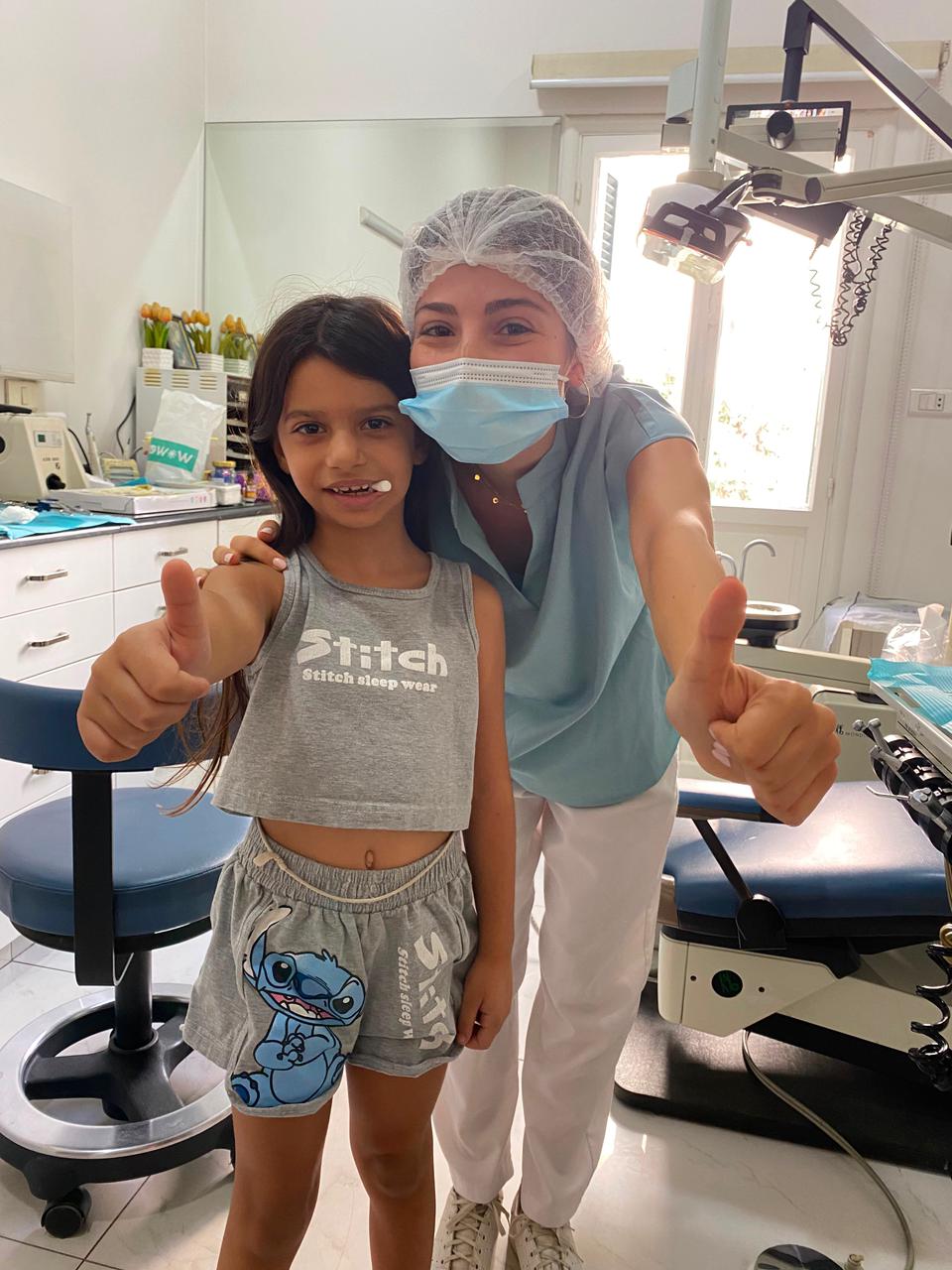
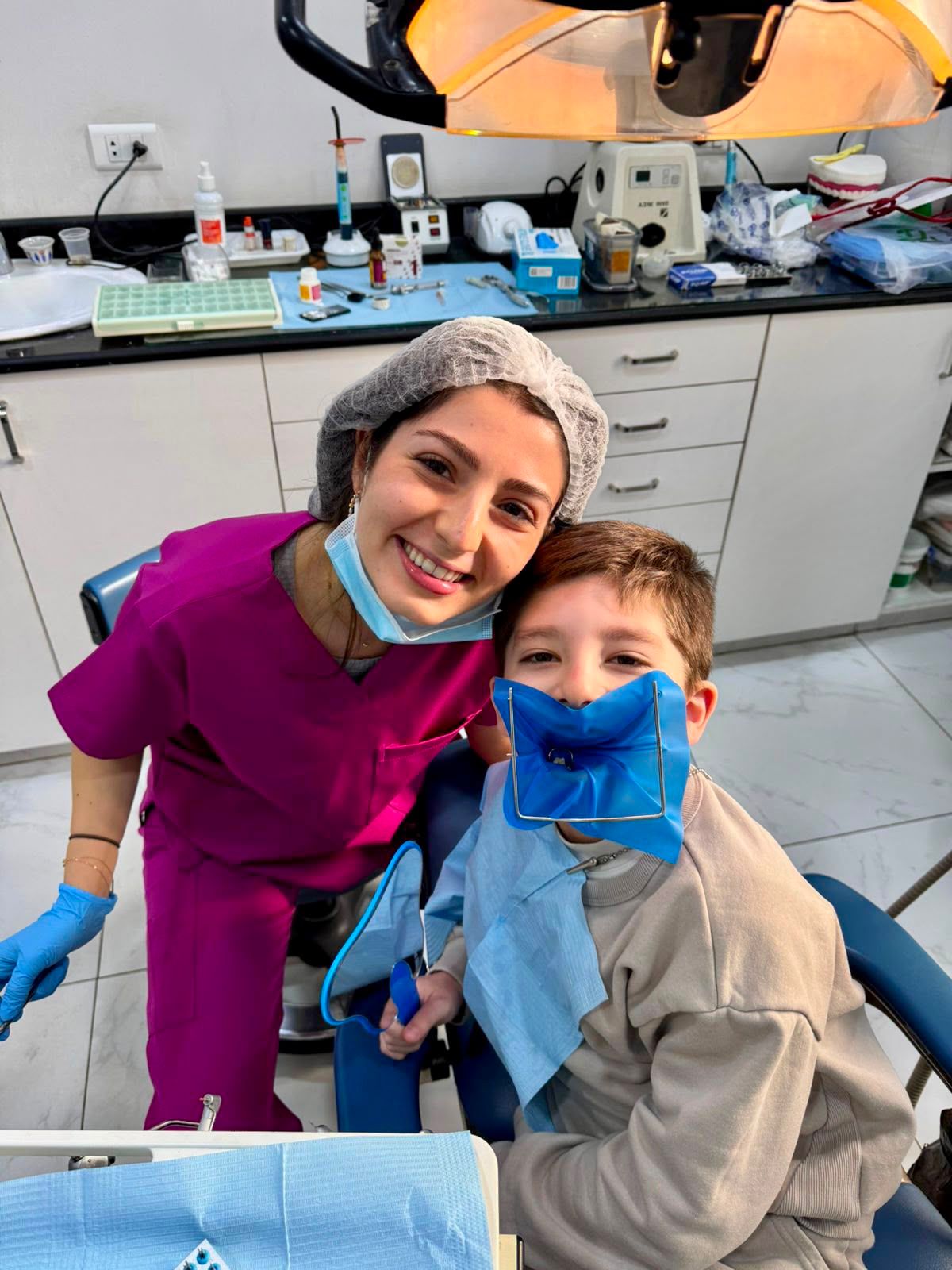
Read articleReal visits, real little patients.
A few of our favourite moments — shared with permission from the bravest kids in Beirut.
Trusted by Beirut’s families.
“Our daughter literally asks when she can go back. Dr. Marilyn turned the dentist into her favourite outing.”
Straight answers, before you even call.
If your question isn’t here, WhatsApp us — a human answers.
By their first birthday, or within six months of the first tooth erupting — whichever comes first. Early visits are short, gentle, and mostly about getting comfortable.
Yes. Your first visit to our Achrafieh clinic is a free meet-and-greet: your child tours the space, meets Dr. Marilyn, and tries the chair — no treatment, no pressure.
Yes — it’s one of the things we’re known for in Beirut. We offer individualized appointments, extended time slots, quieter environments, and sedation options when needed.
We offer nitrous oxide (laughing gas), oral conscious sedation, and — for complex cases — treatment under general anesthesia in a hospital setting.
The clinic is in Achrafieh (Syoufi), Beirut, and we welcome families from anywhere in Lebanon — many of our patients travel in from outside Beirut.
Arabic, French, and English — whichever your child is most comfortable in.
Message us on WhatsApp at +961 76 912 312. For a knocked-out permanent tooth: find it, hold it by the crown (not the root), keep it in milk, and come in immediately.
We don’t bill insurance companies directly. If your child has dental cover, we’ll give you all the documentation you need to claim reimbursement from your provider.
Let’s meet your little one.
Pick a day and time that works — we’ll confirm by WhatsApp within an hour.